


Malta is burning
Malta’s electricity failures expose the cost of putting short-term growth ahead of long-term planning, writes Albert Buttigieg. The government cannot claim to be surprised by rising temperatures or increasing electricity demand.
It happened in July AD 64. A fire broke out near Rome’s Circus Maximus and quickly spread across the imperial capital. The Great Fire of Rome devastated large parts of the city and became one of history’s most enduring episodes.
Tradition says that, while Rome burned, Emperor Nero played his cithara. Whether the story is true or not is beside the point. Its message remains relevant: when a country faces a crisis, leaders must lead. They cannot stand by, make excuses, shift responsibility elsewhere or expect others to carry the burden of systemic failures.
Malta is burning – metaphorically and, in some cases, literally.
Our countryside has witnessed increasingly frequent fires. Our communities are facing the effects of extreme heat. Families, businesses and vulnerable people are enduring repeated electricity cuts at the very moment when reliable power is needed most.
The flames may not be consuming our towns as they did in ancient Rome but the warning signs are becoming increasingly difficult to ignore.
A country can also be brought to the brink by a failure to be proactive – that is, to invest adequately and act before foreseeable problems become national crises.
Heatwaves are becoming longer and more intense. Most concerning of all, this is now the fifth consecutive summer in which widespread electricity cuts have accompanied periods of extreme heat.
This is no longer an isolated incident. Five consecutive summers of disruption point to a deeper problem: inadequate planning, delayed investment and infrastructure that has not kept pace with the demands placed upon it. Above all, it points to political mismanagement.
The government cannot claim to be surprised by rising temperatures or increasing electricity demand. Climate change warnings have been evident for years. At the same time, Malta has experienced rapid population growth, expanding economic activity and record levels of tourism.
Whether one agrees with this economic model or not, its impact on national infrastructure was foreseeable. A larger population, more visitors and a growing economy inevitably create greater pressure on electricity generation and distribution. Economic growth cannot be pursued without the necessary investment to ensure that infrastructure remains resilient and capable of supporting that growth.
Labour has been in office since 2013. After 13 years in government, it cannot continue to place responsibility for solving these challenges on previous administrations, especially when previous administrations sought to connect Malta to the European grid, through the interconnector. While every government inherits difficulties, governing means moving forward.
At the end of the day, citizens are not interested in political blame-shifting. They want reliable services, competent planning and an electricity network capable of meeting the needs of a modern EU country.
An electricity network is not simply another public service. It is the backbone of society. Hospitals, care homes, businesses, schools and households depend on it every day. During extreme heat, prolonged power cuts are not merely an inconvenience; for elderly and vulnerable people, they can become a matter of safety.
The frustration expressed by residents is about a basic expectation: that in a modern European country, people should be able to rely on a safe and dependable electricity supply.
An apology may acknowledge what people experienced but words are cheap and, on their own, are not enough. Genuine acceptance of responsibility requires political accountability.
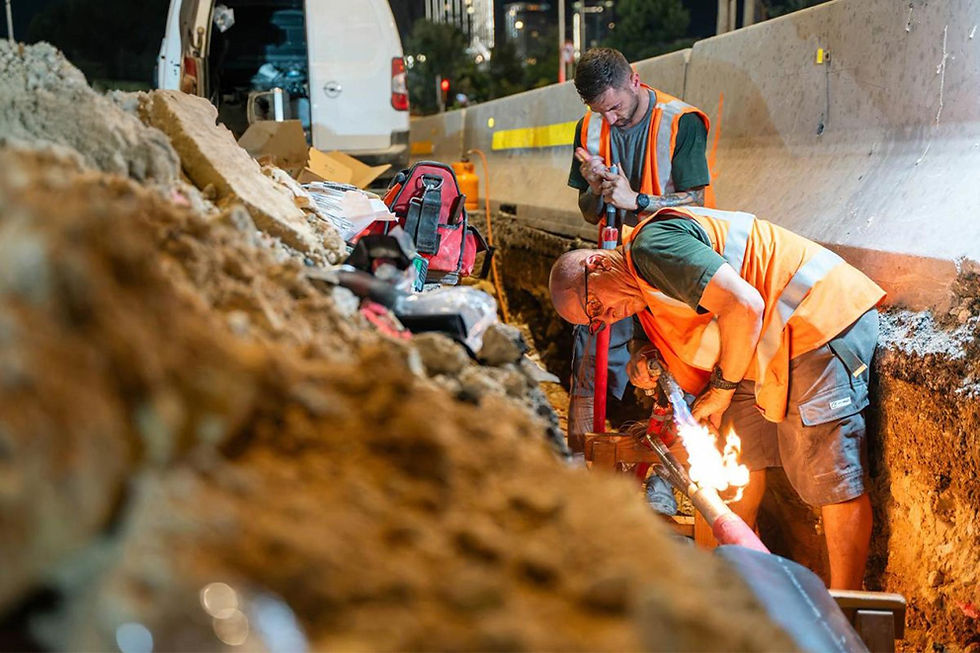
While the efforts of Enemalta workers deserve recognition, frontline employees cannot be expected to compensate indefinitely for weaknesses in planning, investment and infrastructure. Asking workers to complete repairs faster may address an immediate problem but it does not solve the underlying issue.
Emergency response cannot replace long-term strategy.
What has been missing is strategic planning that anticipates both current and future pressures and translates known risks into timely investment. Infrastructure should have expanded alongside Malta’s demographic and economic growth, not only after systems began to fail.
Malta needs a proactive approach: stronger electricity generation and distribution, a more resilient national grid, better maintenance and infrastructure designed for a changing climate and a growing population. The warning signs have been visible for years. Yet, every summer seems to bring the same problems, the same explanations and the same promises that next year will be different.
The time for excuses has passed. Malta deserves an electricity network capable of serving its people today and protecting its future tomorrow.
We cannot continue fiddling while Malta burns.
Our country deserves better. We expect and demand better.
(This article was published on Times of Malta – 19 August, 2026)